
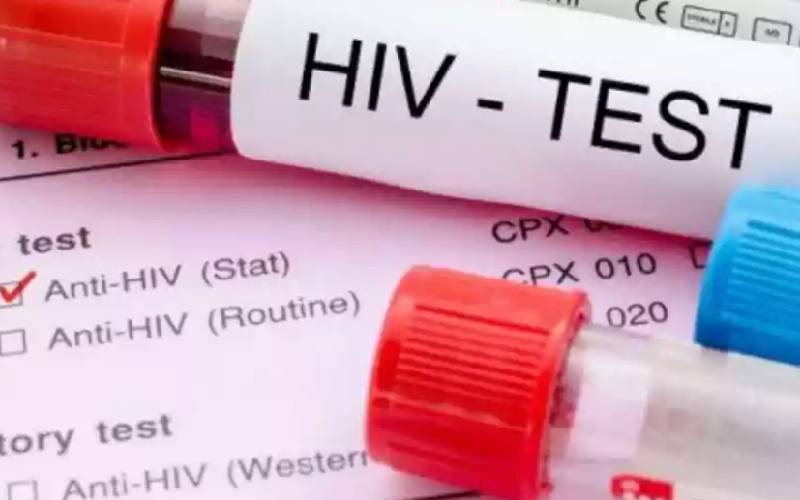
Researchers have developed a promising new one-time drug regimen that could permanently clear HIV in newborns if administered within three days of birth, presenting a significant breakthrough in global efforts to eliminate mother-to-child transmission and reduce the health burden on young populations.
Globally, more than 120,000 newborns are infected with HIV every year. Without curative interventions, these infants face a lifetime of dependence on costly and frequently inaccessible antiretroviral medications, adding to the global public health challenge. The newly developed treatment offers a potential lifeline for thousands of infants born with the virus both globally and in Kenya.
In Kenya, data from the National Syndemic Diseases Control Council (NSDCC) reveals that an estimated 13,936 new HIV infections were recorded in 2026. The NSDCC noted that the majority of these newly recorded cases occurred among children, adolescents, and young people, highlighting the critical need for targeted therapeutic and preventive interventions for younger demographics.
Alongside progress in early infant interventions, research from Kenyan institutions continues to contribute to the global understanding of HIV management and prevention. Researchers from the Center for Epidemiological Modelling and Analysis (CEMA) at the University of Nairobi recently presented scientific studies at the 26th International AIDS Conference held in Rio de Janeiro, Brazil.
The University of Nairobi findings address crucial evidence gaps in managing the virus across different age groups. Specifically, the CEMA studies focus on strategies to protect mothers and children, simplify treatment approaches safely, and navigate alternative options when patients develop resistance to standard HIV medications.
Together, these medical advancements and epidemiological studies highlight ongoing efforts to protect children and young people from lifelong HIV infections, improve treatment strategies, and address key transmission challenges in Kenya and worldwide.
Post a Comment