
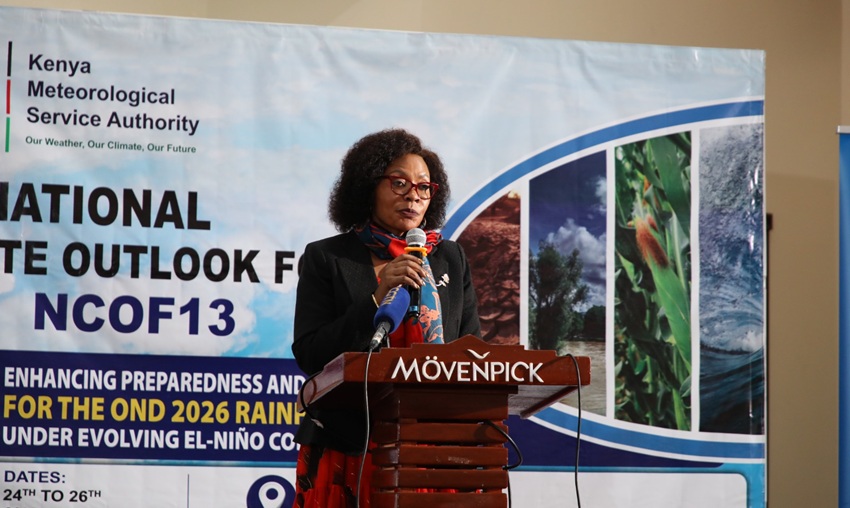
The United Environment Programme (UNEP) has committed US$32 million to support Kenya and other African countries in bolstering their environmental management and climate action strategies. The funding is directed toward integrating climate information into environmental management, nature-based solutions, and ecosystem-based adaptation.
Representatives noted that UNEP is prepared to collaborate with the Kenya Meteorological Service Authority, the Environment Ministry, and various partners to strengthen the connection between seasonal weather forecasts and long-term environmental resilience. Officials have emphasized the need for targeted sectoral action plans designed to minimize climate risks while maximizing ecological benefits.
Meanwhile, climate resilience and adaptation initiatives are increasingly reaching local communities across the country. In Western Kenya, grassroots adaptation is expanding through targeted sensitization programs involving Deputy County Commissioners. These administrative efforts aim to align local governance with broader national climate strategies.
At the same time, researchers and environmental advocates continue to examine the compounding pressures facing Kenya’s natural ecosystems and traditional livelihoods. Public reports indicate that several of Kenya's rivers and lakes are facing severe environmental stress, threatening water bodies with potential ecological decline if remedial actions are not implemented.
The long-term effects of past environmental disruptions also remain visible among vulnerable populations. Studies tracking pastoralist communities, such as the Daasanach, highlight how historical droughts have reshaped daily life, health, and traditional practices. Significant livestock losses during prolonged dry spells restricted access to milk and meat, forcing communities to alter movement patterns and adapt to new, sometimes previously stigmatized livelihoods such as fishing. Although immediate food and water security indicators have improved since those historic droughts ended, researchers continue to monitor lingering nutritional impacts and shifting environmental conditions, including changes in drinking-water salinity.
Experts and policymakers stress that tackling these multifaceted challenges requires a combination of science-led solutions, sustainable investments, and active community participation to ensure both human populations and natural habitats can withstand future environmental shocks.
Post a Comment