
Kenya is currently navigating a complex intersection of environmental challenges and industrial transitions, ranging from the management of rising water levels in the Rift Valley to significant changes in the nation’s mineral extraction sector.
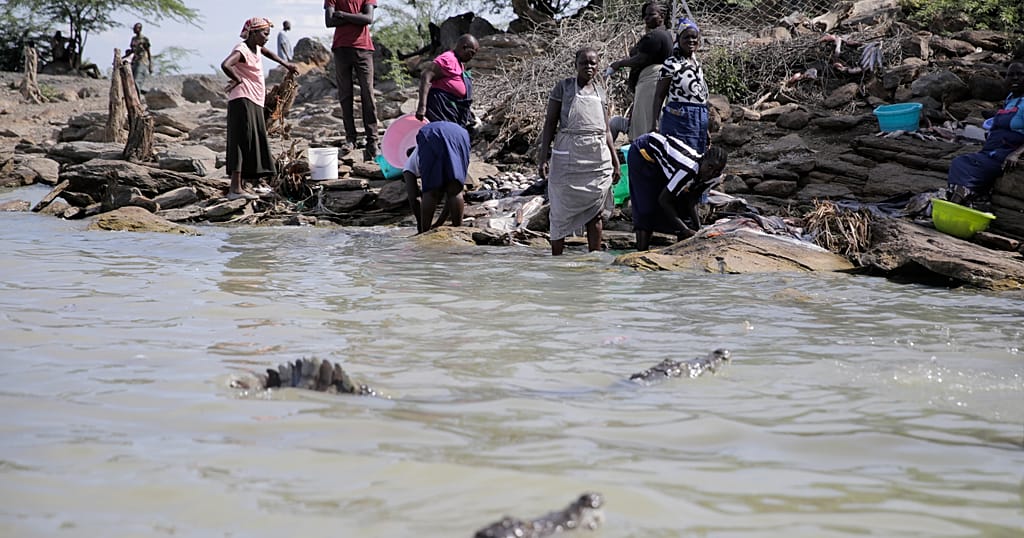
In the Rift Valley, lakes have reached water levels not seen in at least half a century. Scientists have linked this surge to extreme rainfall patterns driven by climate change. The rising waters have forced local communities to flee their homes and have created new risks regarding human-wildlife conflict. Specifically, wildlife officers near Lake Baringo have begun trapping crocodiles that have been pushed into residential areas by the encroaching floodwaters.
Simultaneously, the industrial landscape is facing a major shift following a directive for Tata Chemicals to cease operations in the country. The company, which has been a significant player in the extraction of trona from Lake Magadi since 1911, is one of Africa’s largest producers of soda ash. This mineral is a critical component in the manufacturing of glass, detergents, and various industrial chemicals. The company’s operations have historically supported local infrastructure, including water and healthcare programs for thousands of residents in the Magadi region.
Agricultural and food security concerns also remain at the forefront of the national discourse. Farmers are increasingly exploring innovative methods to combat soil degradation, including the use of fertilizers derived from insects. These efforts come as the country faces broader agricultural pressures, including a recent milk shortage that has impacted supply chains and consumer prices.
Looking ahead, climate experts are monitoring the potential for severe weather events, noting that cyclical phenomena like El Niño continue to pose risks to food production and economic stability. The unpredictability of these climate patterns, combined with the ongoing need for sustainable resource management, remains a central challenge for the country.
Furthermore, wildlife conservation efforts are contending with emerging threats. Investigations are currently underway regarding the mysterious deaths of elephants in certain regions, with authorities examining whether the use of pesticides on local crops may be a contributing factor. These incidents highlight the ongoing tension between agricultural expansion and the protection of Kenya’s diverse ecosystems.
As the nation balances these environmental and industrial developments, the focus remains on mitigating the impacts of climate-driven disasters while managing the economic consequences of shifting industrial policies and agricultural output.
Sources
- Kenya relocates crocodiles as rising waters bring them into conflict with humans | Africanews
- Kenya's milk shortage: Chai tea lovers unhappy as cows run dry
- Kenya's Ruto tells Tata Chemicals to leave the country | AP News
- Will a ‘Super’ El Niño Impact the Weather and Food Production in 2026? - Bloomberg
- Kenyan president orders crackdown on foreigners operating small ...
- Tata Chemicals ordered out of Kenya by president - BBC
Post a Comment