
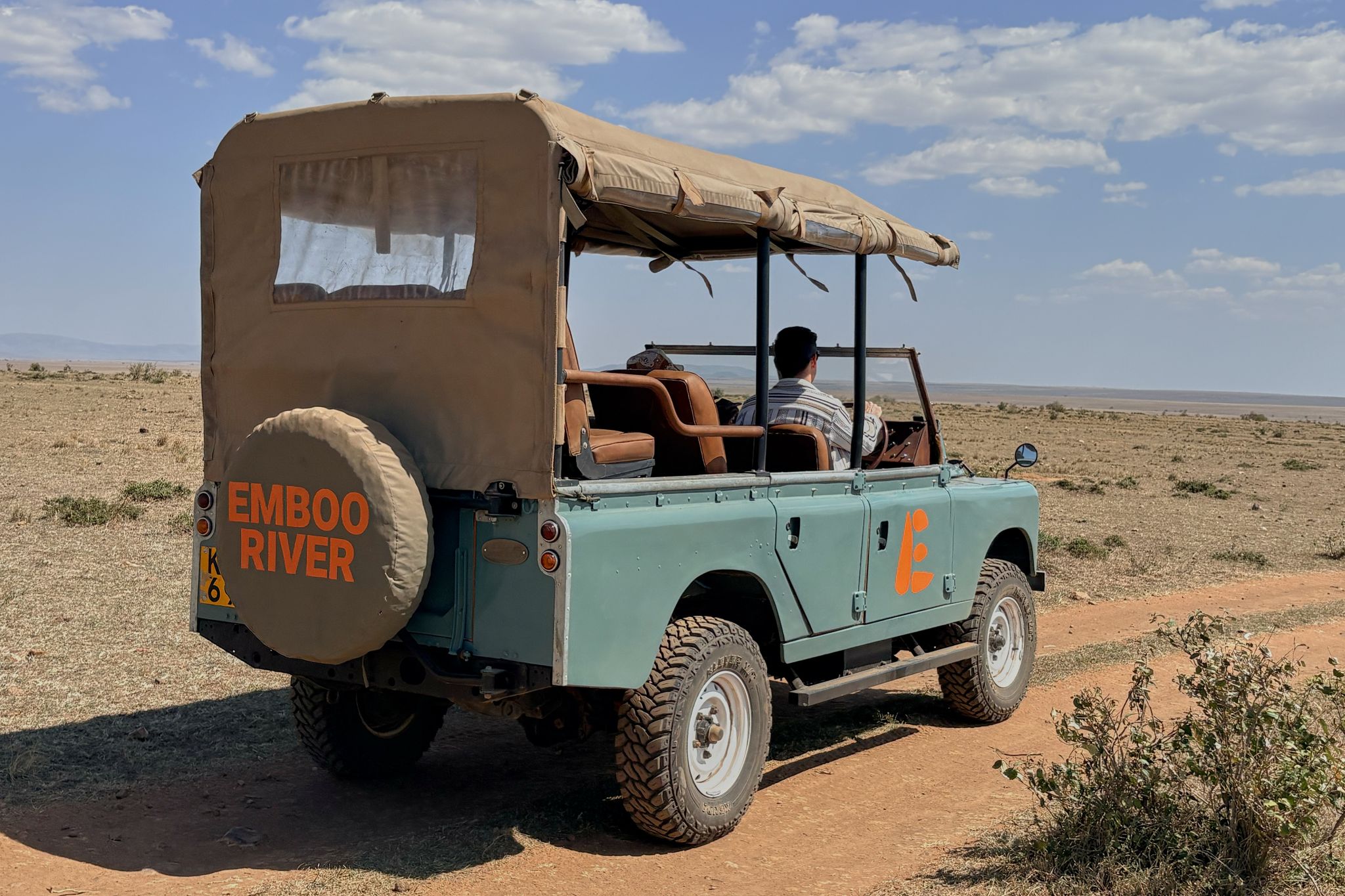
Conservation operators in Kenya’s Maasai Mara game reserve are currently testing the viability of solar-powered electric motorcycles as a sustainable alternative to traditional petrol-fueled transport. The initiative, which has been underway for the past year, aims to address the logistical and environmental challenges of operating in one of Africa’s most significant ecosystems.
Rangers, such as those attached to the Entumoto Safari Camp, have been utilizing these electric motorcycles for daily patrols. The vehicles offer a near-silent motor, which allows rangers to approach wildlife and monitor for poachers with minimal disturbance to the natural environment. Beyond the immediate conservation benefits, the project is evaluating whether electric mobility can effectively reduce fuel consumption and maintenance costs in remote, demanding terrains.
The shift toward solar-charged transport represents a broader effort to integrate clean technology into wildlife management. By utilizing solar energy to charge vehicles on-site, conservationists can bypass the need to transport petrol from the port of Mombasa to remote areas. According to project stakeholders, the success of this technology in the Maasai Mara could provide a scalable model for other conservation landscapes and remote communities across the continent, proving that clean energy can be both reliable and affordable in challenging environments.
While Kenya explores these localized energy solutions, broader regional discussions are highlighting the challenges of scaling renewable energy infrastructure across Africa. Energy experts point to the necessity of moving beyond the simple importation of equipment toward building domestic industrial capacity, financing, and policy stability.
Drawing lessons from regional developments, such as Egypt’s recent efforts to establish local wind turbine manufacturing, experts suggest that African nations must prioritize technology transfer and local content to ensure long-term energy industrialization. These efforts are seen as critical to overcoming the common hurdle of relying on imported technology, which can often lead to delays in bringing renewable energy projects online.
As these energy transitions progress, the continent also faces significant challenges regarding waste management. Reports indicate that urban waste crises are increasingly outpacing infrastructure investment, with a large majority of waste generated in Africa currently disposed of at uncontrolled dumpsites. Addressing these environmental pressures remains a central concern for sustainable development as urban populations continue to grow.
Sources
- Electric mobility brings Africa’s energy transition into the wild - Greenwich Time
- Egypt’s wind power push, tied to manufacturing, offers lessons for Nigeria and Africa - dailyjournal.net
- Egypt's wind power push, tied to manufacturing, offers lessons for Nigeria and Africa - Greenwich Time
- Egypt's wind power push, tied to manufacturing, offers lessons for Nigeria and Africa - yourvalley.net
- Electric mobility brings Africa’s energy transition into the wild - AP News
- Africa's urban waste crisis is outpacing infrastructure investment and choking neighborhoods - Greenwich Time
Post a Comment