
Kenya has recently taken significant steps to bolster its environmental and agricultural sectors through a combination of international conservation financing and new domestic soil management programs. These developments aim to address the country’s reliance on nature-based economic activities while enhancing the resilience of its farming communities.
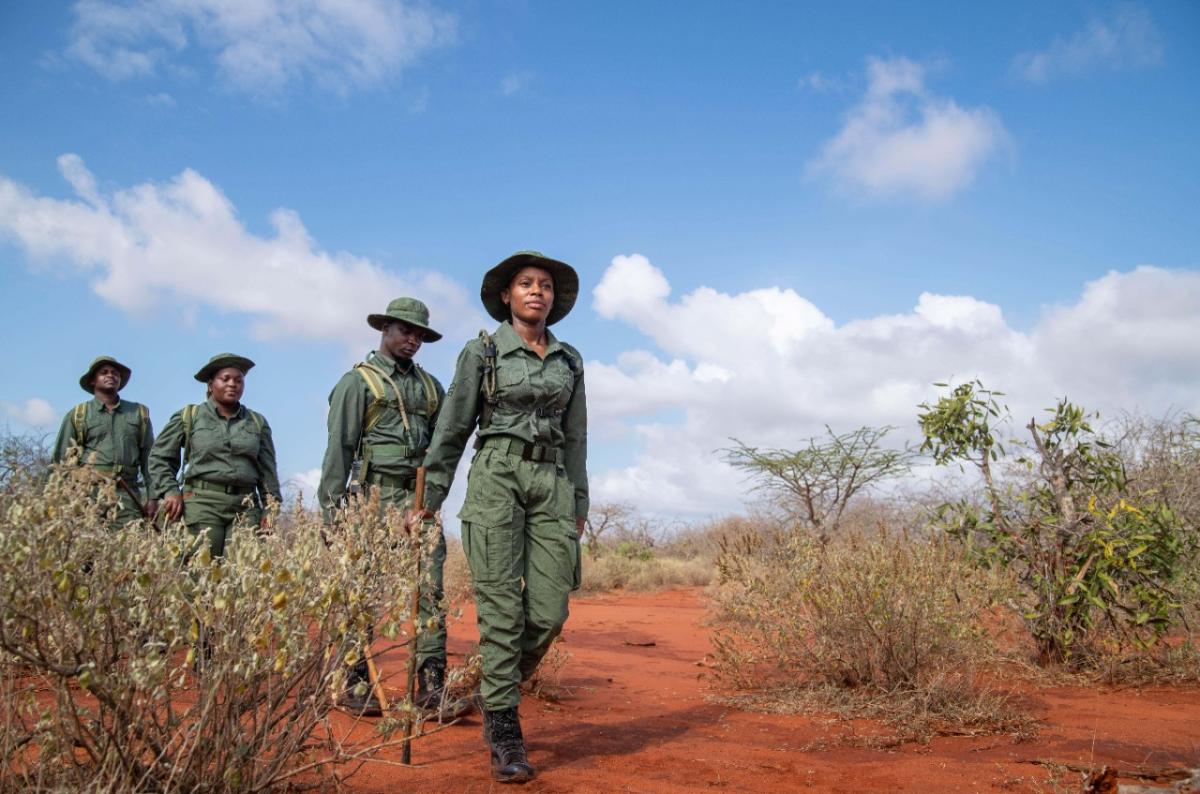
A major milestone in conservation was reached with the signing of a $160 million finance deal aimed at protecting 173,000 square kilometers of natural landscapes. This initiative, which utilizes a conservation finance model, seeks to safeguard biodiversity and support the livelihoods of communities that share these environments. The program is part of a broader effort to protect critical ecosystems, with government officials emphasizing that the long-term success of such conservation efforts is deeply tied to the leadership and well-being of local populations.
Parallel to these conservation efforts, the government has launched the SoilFER programme to improve agricultural productivity. This initiative focuses on soil mapping to help farmers make informed decisions regarding fertilizer application and crop management. By providing farmers with a better understanding of their soil health, the program aims to mitigate the impact of intensifying climate shocks on crop yields. The launch also introduced the Kenya Soil Partnership, the Kenya Soil Laboratory Network, and the national rollout of the Global Soil Doctors Programme, aligning Kenya with international efforts to promote sustainable agriculture.
Despite these advancements, experts continue to highlight the complexities of Kenya’s environmental transition. A recent paper published in the Environmental Law Review notes that while Kenya has developed a robust legal framework—including the Climate Change Act and a commitment to reduce greenhouse gas emissions by 35% by 2035—a gap remains between these policy goals and the lived realities of citizens. Researchers argue that women, who often bear the brunt of climate-related stresses such as water collection and income loss, possess critical expertise that should be more actively integrated into climate financing and adaptation strategies.
The broader economic landscape remains a subject of discussion, particularly regarding the balance between industrial projects and environmental protection. Recent developments include the groundbreaking of a $16 billion oil refinery on the coast, an event that has drawn attention to the country’s environmental credentials. Meanwhile, youth activists and environmental human rights defenders continue to advocate for a transition away from fossil fuels, raising concerns about the impact of carbon markets on Indigenous land rights and the necessity of a debt-free, just future.
As Kenya moves forward, the focus remains on integrating these diverse initiatives—ranging from large-scale landscape protection to grassroots soil management—to ensure that the country’s economic development remains aligned with its environmental commitments. With approximately 42% of Kenya’s GDP and 70% of its employment dependent on nature, the success of these programs is viewed as essential to the nation's long-term stability.
Sources
- Kenya seals $160 million conservation finance deal
- The Government of Kenya and The Nature Conservancy Unveil
- Soil mapping aims to boost agricultural production in Kenya | UN News
- Just transition remains elusive for Kenyan women despite robust policies
- Kenyan youth activist Erica Njuguna: “Gen Z are uniquely impacted by climate crisis” - Amnesty International
Post a Comment