
Kenya is navigating a complex intersection of environmental and public health challenges as the nation grapples with the long-term impacts of industrial activity, agricultural practices, and energy dependency. Recent developments highlight a shift toward addressing these issues through legal action, technological adoption, and a push for cleaner energy solutions.
In the northern region, the Kargi community has initiated legal proceedings against the oil giant BP. The lawsuit alleges that toxic waste left behind from oil exploration activities conducted over 50 years ago has resulted in the contamination of local water sources. Residents claim this environmental degradation has contributed to a rise in cancer cases and the loss of livestock, marking a significant effort by a local community to hold a multinational corporation accountable for historical ecological damage.
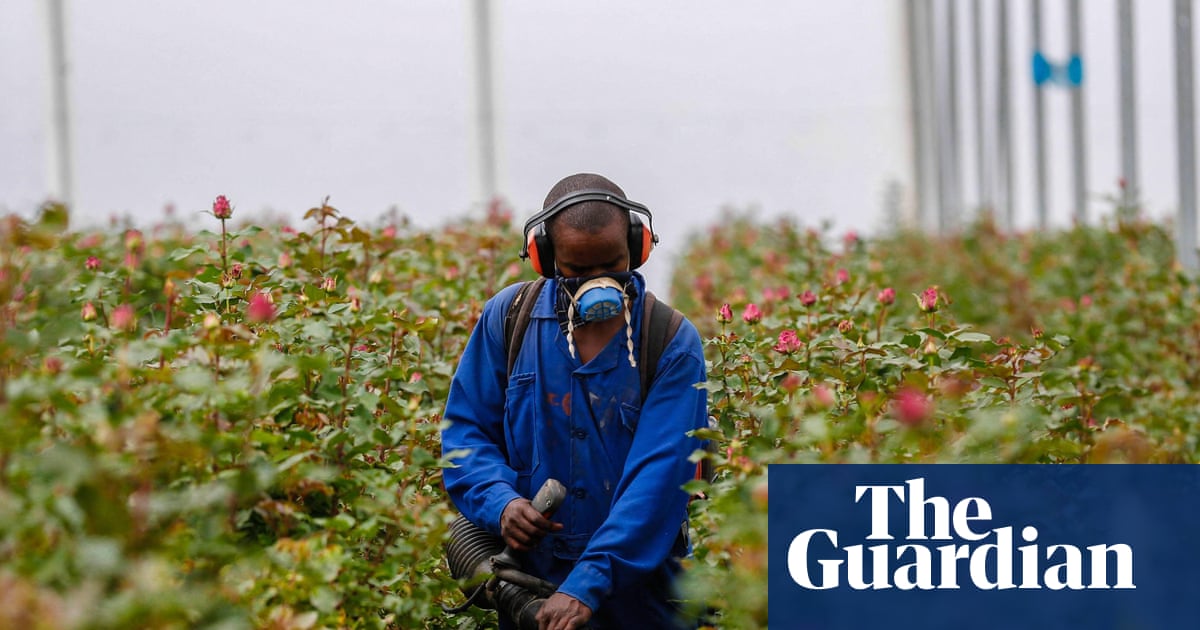
Agricultural sustainability is also under scrutiny due to the increasing use of chemical inputs. A 2025 study revealed that water sources in affected areas contain traces of 56 different pesticides. As chemical usage has risen steadily over recent decades, experts and farmers are increasingly advocating for a reduction in spraying, suggesting that such interventions should be considered a last resort to mitigate the severe ecological toll on the country’s water systems.
The transition to renewable energy is being framed as a critical component of both climate action and economic stability for the agricultural sector. Fred Munene, a prominent advocate for sustainable farming, emphasizes that climate change and energy access are inextricably linked. Farmers who rely on diesel-powered pumps face volatile operating costs, while those lacking reliable electricity struggle with irrigation, refrigeration, and post-harvest storage. This lack of infrastructure often leads to significant food spoilage and forces farmers to sell produce at lower prices. Initiatives supported by organizations like the Global Energy Alliance for People and Planet are currently working to integrate solar-powered irrigation and other renewable energy technologies into Kenyan farms to improve livelihoods and reduce dependence on fossil fuels.
Despite these efforts, the broader transition to clean energy remains a significant hurdle for many households. Data indicates that nearly 65% of Kenyan households still rely on firewood, charcoal, and other polluting fuels for cooking. This reliance is even more pronounced in rural areas, where the figure exceeds 90%. The continued use of these traditional fuels presents ongoing challenges for both public health and environmental conservation efforts.
As the country balances these competing pressures, the property market is also beginning to reflect a shift toward environmental consciousness. There is a growing trend of integrating climate-resilient designs and green standards into the Kenyan property sector, signaling an attempt to adapt to the changing climate landscape. These combined efforts—ranging from grassroots legal challenges and the promotion of renewable energy in farming to the slow transition toward cleaner domestic cooking fuels—underscore the multifaceted approach Kenya is taking to address its environmental and developmental goals.
Post a Comment