
Kenya is currently navigating a complex landscape of agricultural and public health concerns as the nation grapples with the impacts of climate variability and the emergence of infectious disease. Recent data indicates that the country’s agricultural sector is facing significant pressure, while health authorities are responding to the first confirmed case of Ebola within the country.
According to assessments from the GEOGLAM Crop Monitor, large portions of East Africa have experienced an exceptionally dry rainy season between June and September. Rainfall deficits ranging from 100 to 300 millimeters have been recorded across the region, leading to concerns regarding poor harvests. In Kenya, the Kenya ADAPT project, in collaboration with the Ministry of Agriculture, has utilized the GEOCIF crop yield forecasting model to project potential outcomes for the current season. The data suggests that maize yields in western counties—a primary maize-growing belt—could decline by as much as 36 percent below average. Given that maize is a staple crop essential to the food security of millions of households, this projected shortfall represents a significant challenge for the region.
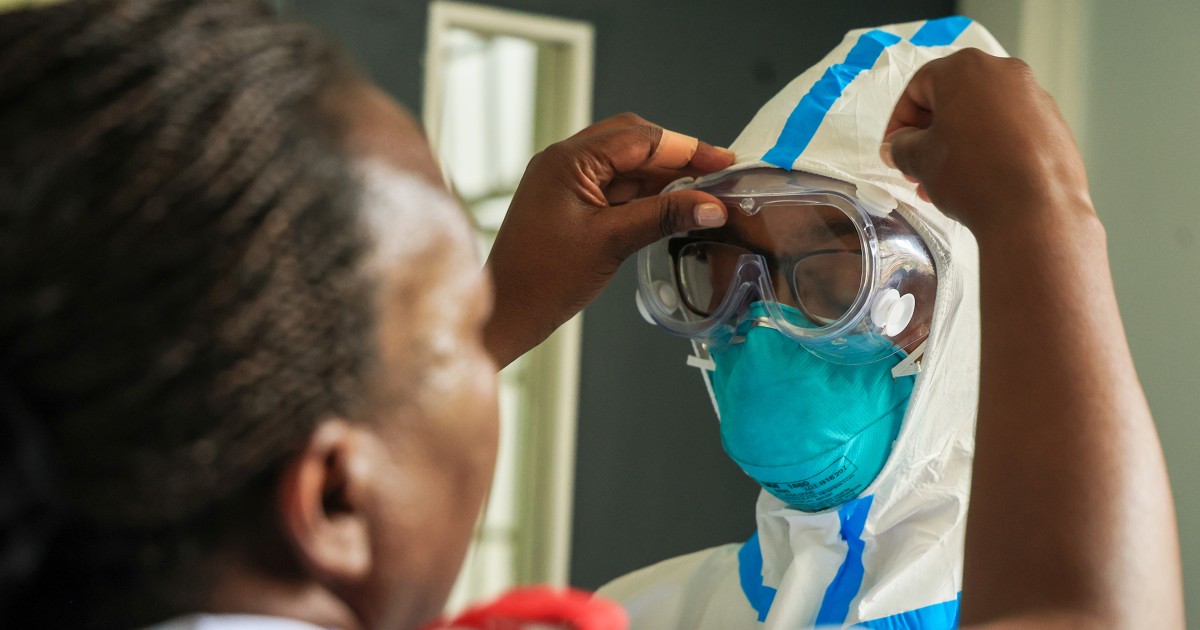
In the public health sector, the Kenyan Ministry of Health has confirmed the country’s first imported case of the Ebola virus. The patient, a Kenyan citizen who had been residing in Congo for seven years, traveled through Uganda before arriving in Nairobi. After falling ill, the individual was isolated and treated at The Nairobi Hospital, where they subsequently passed away.
In response to the case, health officials have initiated contact tracing protocols. Director of Medical Services Patrick Amoth stated that individuals identified as having had contact with the patient are being held in isolation for a 21-day monitoring period. These contacts will be released only after testing negative for the virus. This incident has prompted discussions regarding border control measures and the complexities of tracking the virus across international borders. The current outbreak, which originated in eastern Congo, is caused by the rare Bundibugyo virus, for which there is currently no approved vaccine or treatment.
Amid these challenges, the government and various stakeholders continue to emphasize the importance of environmental stewardship. Recent initiatives have highlighted the necessity of collective action regarding tree growing and broader environmental conservation efforts. These programs are framed as a shared responsibility to maintain the country’s ecological health, even as the nation addresses immediate crises in food security and public health.
While these sectors face significant hurdles, other areas of Kenyan life remain active. The town of Iten continues to serve as a global hub for athletic training. The High-Altitude Training Center, founded in 1999 by Olympian Lornah Kiplagat, remains a destination for both elite and amateur athletes from around the world. The facility provides a space for runners to train at high altitudes, reflecting the town's ongoing role in international sports.
Sources
- Our Environment, Our Responsibility: Collective Action for Tree Growing and Environmental Stewardship - Facebook
- East Africa Braces for Poor Harvests After One of Its Driest Rainy Seasons on Record - Global Agriculture
- What to know about Kenya’s first Ebola case and how officials are responding - NBC News
- Kenya confirms first Ebola case imported from Congo after patient dies in Nairobi - AP News
- Why athletes from around the world are heading to a remote town in Kenya - CNN
Post a Comment