
Kenya is intensifying its efforts to bolster national environmental and public health resilience through advanced surveillance systems and long-term climate adaptation strategies. Recent initiatives focus on integrating wastewater surveillance into national infrastructure and addressing the lasting socio-economic impacts of extreme weather events.
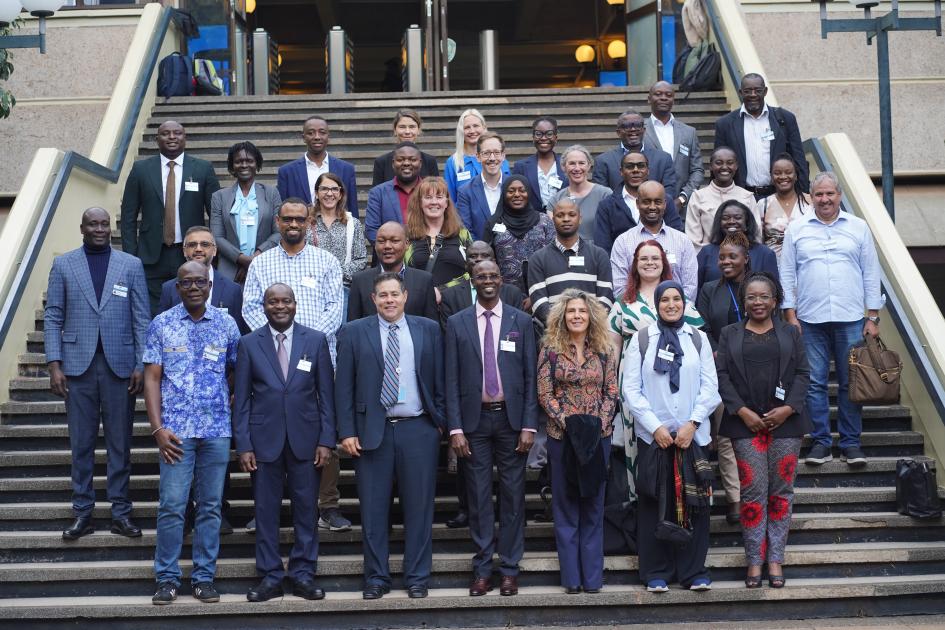
From September 21 to 23, 2026, the United Nations University Institute for Water, Environment and Health (UNU-INWEH) and the United Nations Environment Programme (UNEP) convened a workshop in Nairobi to advance the "Wastewater Surveillance for Africa Initiative." The event brought together representatives from the Kenyan ministries of Health and Environment to discuss the integration of wastewater surveillance systems at major transport hubs. This multisectoral approach aims to establish early-warning systems that can detect public health threats more effectively. As part of the workshop, participants visited the International Livestock Research Institute (ILRI) to examine the laboratory and analytical capacities required to support these surveillance architectures.
Beyond public health monitoring, Kenya is grappling with the long-term consequences of climate-related disasters. A study published in the October 2026 issue of *Global Environmental Change* highlighted that while food and water insecurity in northern Kenya showed improvement following the end of a historic drought, the region’s livestock populations and nutritional health had not fully recovered by 2024. The research indicates that extreme environmental events have fundamentally altered traditional pastoralist lifestyles, leading to permanent shifts in mobility and dietary practices. Researchers suggest that future policy efforts should prioritize the diversification of food sources and livelihoods to help vulnerable communities adapt to increasingly severe environmental conditions.
The country is also preparing for the potential impacts of El Niño, which climate scientists warn could bring heavy rainfall and storms across East Africa. At the National Forecasting Center of the Kenya Meteorological Authority, experts are monitoring weather patterns to mitigate risks associated with flooding. These preparations include a focus on long-term infrastructure development, as recurring heavy rains have historically caused significant damage to roads and bridges. Experts emphasize the need to "climate-proof" national infrastructure to ensure it can withstand future weather patterns.
Simultaneously, environmental management remains a priority in other sectors. Kenya has emerged as a global leader in the adoption of electric motorcycles, though this transition presents unique challenges alongside its opportunities. Furthermore, recent wildfires on Mount Kenya have underscored the urgent need to strengthen ecosystem resilience, specifically through the protection of peatlands and proactive preparation for rising heat-related risks. These efforts are part of a broader, collective push to manage chemical usage and environmental health, as the nation balances industrial growth with the necessity of maintaining ecological stability.
Sources
- News, stories & speeches | UNEP - UN Environment Programme
- Advancing Wastewater Surveillance Across Africa’s Major Transport Hubs | United Nations University
- Study Finds Lasting Impacts of Historic Drought on Health and Livelihoods in Northern Kenya | DUPRI
- El Niño in Africa: Flooding in Kenya, Drought Risk in South Africa
- El Niño in Africa: Flooding in Kenya, Drought Risk in South ...
Post a Comment