
The Kenyan government is navigating a complex period of engagement with its youth population, characterized by both ongoing economic challenges and a shifting approach to public accountability. During the 2026 Mashujaa Day celebrations held in Eldoret, President William Ruto acknowledged the frustrations expressed by young Kenyans regarding the cost of living, taxation, and unemployment.
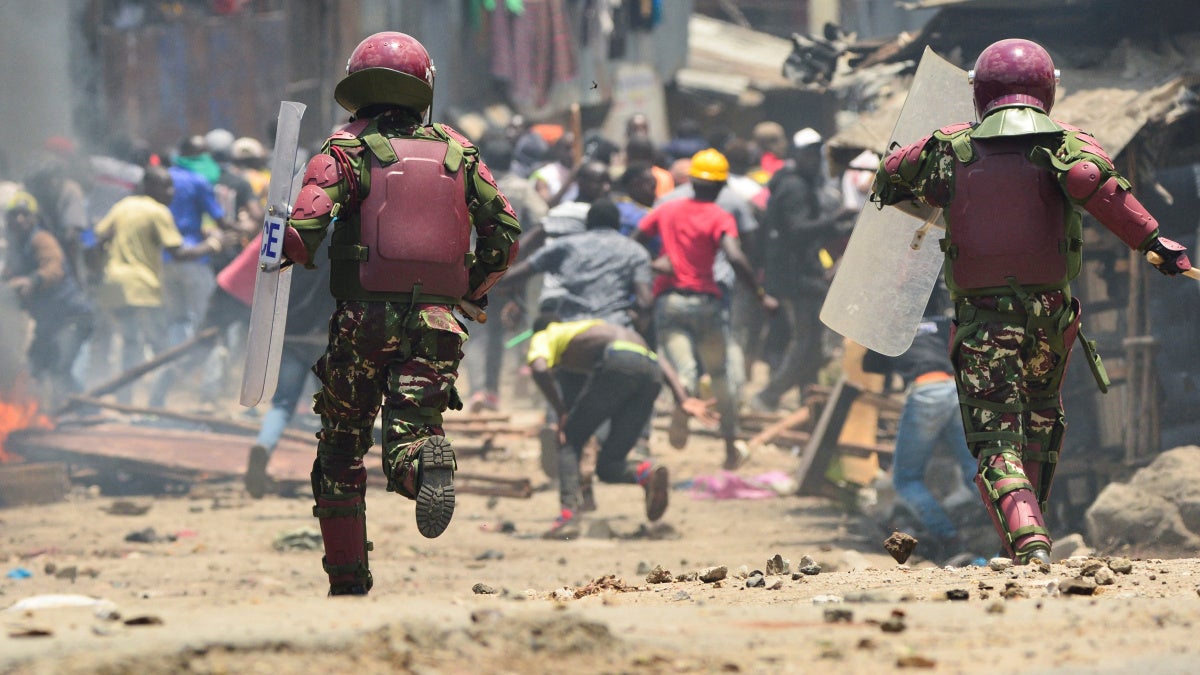
The President’s remarks highlighted a recognition of the role young people play in challenging government decisions. He noted that public discontent is increasingly expressed through street demonstrations, which serve as a barometer for government performance between election cycles. This acknowledgment follows a period of significant social tension, during which thousands of young people utilized both physical protests and digital platforms to demand greater economic justice and inclusion in fiscal policy.
The period between 2023 and 2025 was marked by widespread public dissatisfaction, driven by factors such as rising public debt, increased inequality, and the impact of regressive taxation. According to reports from human rights organizations, these protests were frequently met with state responses that included arrests and the restriction of civic space. As the country moves forward, the government is attempting to address some of the specific economic grievances raised by the youth demographic.
In a series of recent policy shifts, the administration has announced plans to scrap the 25% import duty on mobile phones, a move aimed at reducing costs for consumers. Additionally, the government has introduced a stamp duty exemption for land valued at Ksh1 million and below. These measures are part of a broader effort to mitigate the financial pressures on households and improve the economic environment for young entrepreneurs and citizens.
Beyond fiscal policy, there is a renewed emphasis on integrating youth into national development frameworks. Official initiatives are currently encouraging young Kenyans to participate in communal work, smart farming, and waste management and recycling projects. These programs are designed to foster climate action and increase youth inclusion in governance.
The government is also highlighting progress in the health sector, reporting that the Social Health Authority (SHA) has reached 33.3 million Kenyans, with Ksh107 billion disbursed to hospitals. Policymakers continue to emphasize that the country’s large youth population represents a significant opportunity for economic expansion, provided that the current challenges regarding formal employment and economic stability are effectively managed.
As the nation reflects on the events of the past two years, the focus remains on balancing the need for fiscal reform with the demands of a vocal and active youth demographic. The government’s recent public acknowledgments suggest a shift toward recognizing the necessity of addressing the root causes of youth frustration to ensure long-term stability.
Sources
- Cover photo source
- Ethiopia's Abiy urges investment in youth as Kenya honors ...
- Mashujaa Day: Ruto acknowledges youth frustrations over unemployment and taxes – People Daily
- Kenya's Youth Urged to Unite and Support Government ...
- Kenya deployed violent measures to repress youth-led ...
- Human Rights Under Siege: Authoritarian Practices and Economic Pressure Amid Youth-Led Protests in Kenya | Amnesty International USA
- An emotionally charged Kenyan youth in court !!! Below is ...
Post a Comment