
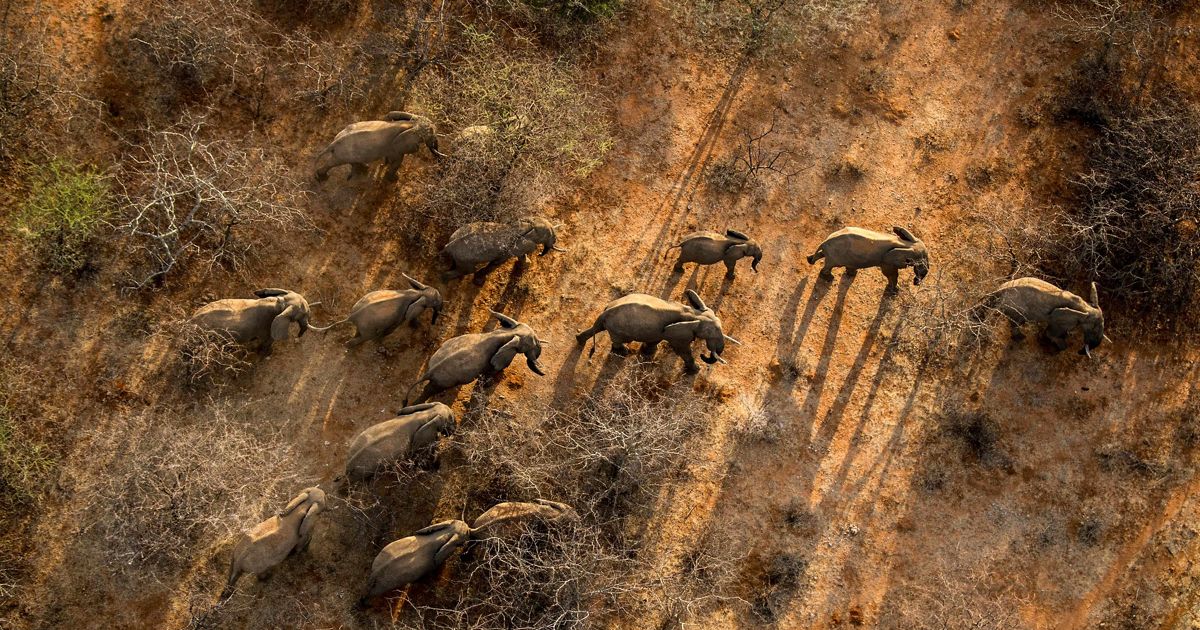
The Kenyan government has officially launched "Thamani Asili," a new conservation initiative designed to shift the country’s approach to environmental management by placing local communities at the center of development efforts. Launched by the Cabinet Secretary for Tourism and Wildlife, Hon. Rebecca Miano, the program aims to move away from short-term project funding toward long-term investments in the nation’s people, wildlife, and natural resources.
The initiative is projected to benefit approximately 1.6 million people directly, with an additional 3.9 million expected to gain from improved land governance, more effective natural resource management, and expanded economic opportunities. In terms of physical scope, Thamani Asili intends to improve the management of 11 million hectares of existing conservation areas while creating the necessary conditions for communities to manage an additional 6 million hectares.
Beyond its social and economic goals, the program is a key component of Kenya’s climate strategy. By fostering sustainable land use, the initiative aims to help the country avoid approximately 7.5 million tons of carbon emissions by 2035, aligning with Kenya’s commitments under the Paris Agreement. This effort is bolstered by a broader $160 million conservation finance deal recently signed between the government and a group of donors, which targets the protection of 17.3 million hectares of land.
While these large-scale conservation efforts advance, researchers are simultaneously examining the social dimensions of Kenya’s environmental policies. A recent paper published in the Environmental Law Review by scholars from the University of Nairobi and the U.N. Environment Programme highlights a persistent gap between Kenya’s robust legal framework—such as the Climate Change Act, which mandates gender equity—and the lived realities of women.
The research notes that while Kenya has committed to reducing greenhouse gas emissions by 35% by 2035 in its second Nationally Determined Contribution, the transition remains challenging for women. Experts argue that women’s experiences with climate stress, including the unequal burden of unpaid care work, water and firewood collection, and income loss during extreme weather, represent critical expertise that should be integrated into future climate financing and adaptation strategies.
As the country strengthens its policy framework, it also faces immediate climate-related infrastructure challenges. Climate scientists and meteorologists are currently monitoring weather patterns, including the potential for heavy rainfall and flooding associated with El Niño. Experts have emphasized the urgent need to "climate-proof" national infrastructure, noting that recurring heavy rains frequently result in the destruction of roads and bridges.
These environmental pressures are already impacting local food security. At the Sio Indala urban farm, for instance, extreme heat has damaged crops, rendering some produce unsuitable for consumption. As Kenya balances these immediate climate risks with long-term conservation and decarbonization goals, the focus remains on building resilient systems that can withstand both the physical impacts of a changing climate and the socioeconomic challenges faced by vulnerable populations.
Sources
- Govt. of Kenya, and TNC Unveil Community Conservation Initiative
- Just transition remains elusive for Kenyan women despite robust policies
- Kenya seals $160 million conservation finance deal
- El Niño in Africa: Flooding in Kenya, Drought Risk in South Africa
- El Niño in Africa: Flooding in Kenya, Drought Risk in South ...
Post a Comment